
Stay Informed | Be Informed
2012 | Scottish Government’s past decision and justification for the rejection of Glenkirk Wind Farm
In 2012, a proposal for a 102MW, 26-turbine (reduced from 34 after several revisions) site at Balnespick Estate in Glenkirk from developers Eurus Energy UK Limited was rejected, with John Swinney, Scotland’s Finance Secretary, saying the farm’s impact on the surrounding landscape would be “too high”.
Mr Swinney (now Scotland’s First Minister) ruled that the Glenkirk Wind Farm would have a detrimental impact on nearby wild land and key landscape characteristics.
“The Scottish Government wants to see the right developments in the right places and Scottish planning policy is clear that the design and location of any wind farm should reflect the scale and character of the landscape and should be considered environmentally acceptable,” the minister said.
Extracted from Strutt & Parker’s Quarterly Research & Knowledge briefing Scottish Government rules on Cairngorms wind farms | Strutt & Parker
2025 | SCC have just received notice from EnergieKontor that a new wind farm at Glenkirk is ‘scoping’ imminently through the Scottish Energy Consents Unit (ECU)
SCC will continue to consult with the community; and will represent all local interests.
Although in the past this has been rejected this is by no means a foregone conclusion in 2025.
| Year | Proposal & Outcome | Notes |
| 2004–2007 | Original Glenkirk Wind Farm proposal | Refused following Public Local Inquiry – largely due to cumulative landscape impact and peatland concerns. |
| 2010–2012 | Revised application (fewer turbines) | Also refused on landscape and wildland sensitivity grounds. |
| 2020–2023 | Developer engaged in new scoping work | Preparing new design in line with updated Scottish Government renewable energy policy. |
| 2024–2025 | The map you provided shows the updated “red line boundary” for a new proposal. | This suggests a planning application is either imminent or has recently been submitted. |
Important:
This current proposal is not the same as the earlier refused ones – the layout, turbine height and environmental assessments will likely have changed.
Figure 3.1 Glenkirk Red Line Boundary (1)
If you – as an individual – look for any alternative to wind farms throughout the Highlands, the John Muir Trust are pushing forward with their campaign to Protect the Wild
Extracted from John Muir Trust’s website Protecting and repairing wild places | John Muir Trust
2026 | John Muir Trust & Protecting the Wild
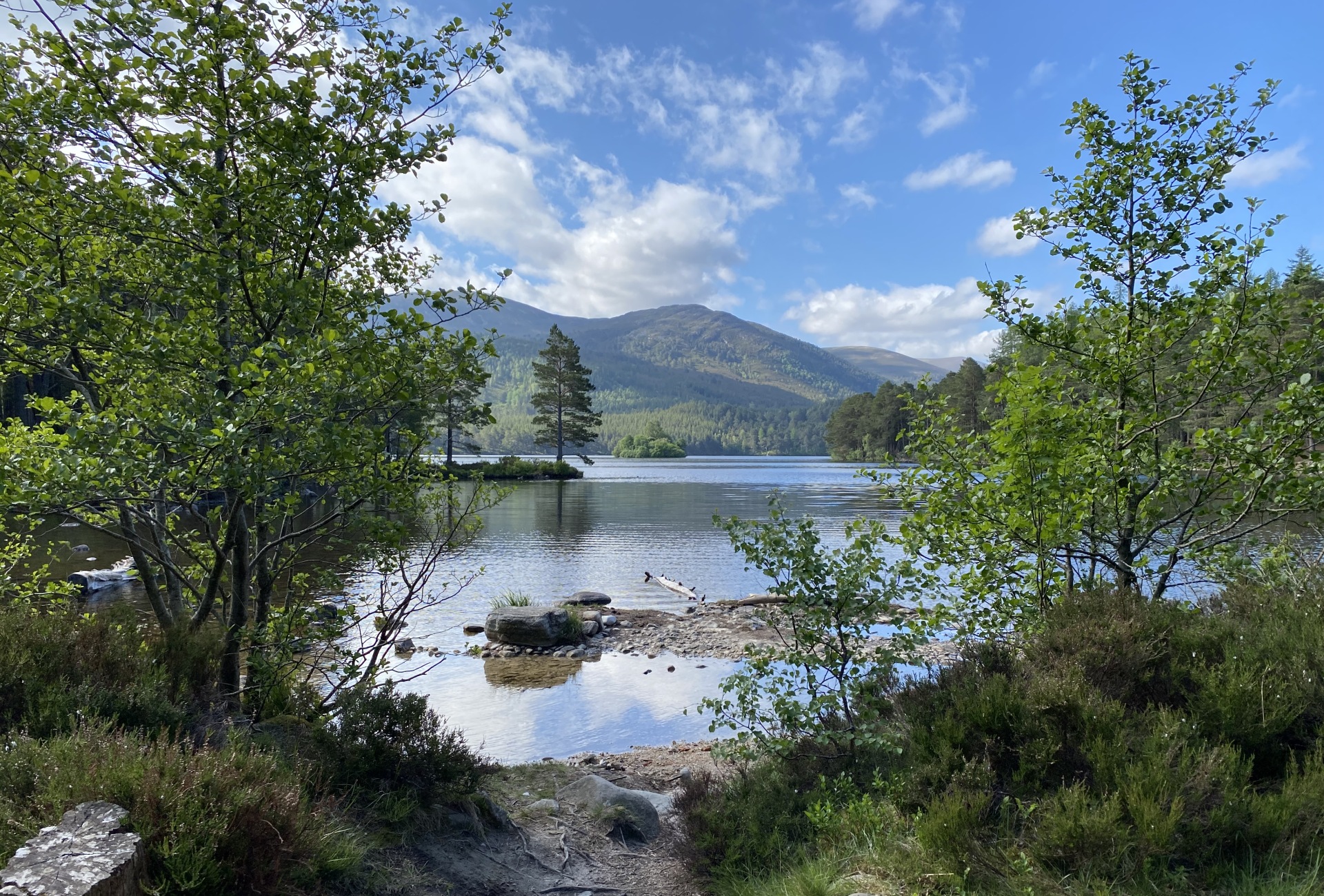
Scotland’s wild places are full of energy
There are the thousands of people who live in rural communities in harmony with the land. There are the countless ramblers, climbers, cyclists, runners that enjoy respite and adventure in our precious wild places.
And, of course, there are the hundreds of wind turbines, pylons, and associated infrastructure that are producing so much energy that Scotland is now exporting electricity.
These windfarms are contributing to the nation’s net zero objectives. But at what cost? Wild places, rural communities and those who visit for pleasure are paying the price, while massive energy companies line their pockets.
It’s time to have an honest conversation about what is happening to the country’s wildest landscapes.
Read more about how the Trust is encouraging the nation to Protect the Wild:
We took to the BBC to warn of the “steady creep of industrialisation”.
In the Telegraph, we made it clear that “Scotland’s land is being scarred while the supposed climate benefits are dwarfed by corporate interests that bring little back to this country.”
And the Trust is not alone. Community councils from across the Highlands were platformed by the Scottish Daily Express when they met in the summer to ask for a “moratorium” on new energy developments.
Halt the creeping industrialisation of Scotland’s wild heartland
The John Muir Trust believes there is a way forward that allows us to power the future and protect the wild.
Join the campaign to Protect the Wild Click here